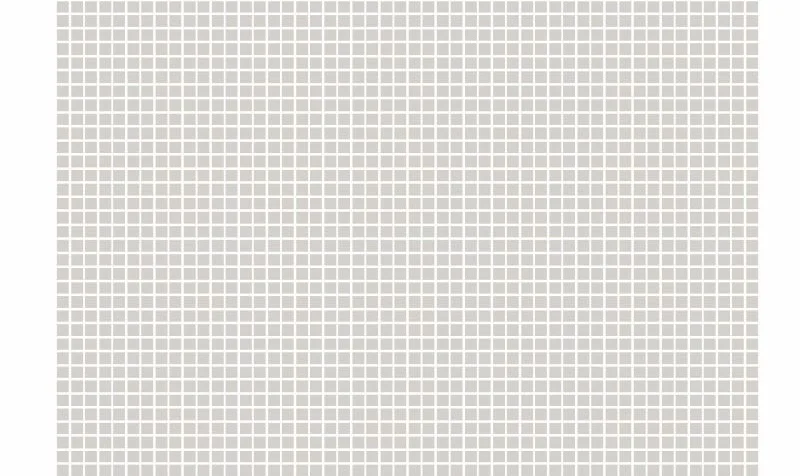
A chart at IFA 2026 that shows where the world stands with AI
At the Las Vegas show, a waffle chart showed 8.1 billion people by level of AI use. Most haven't used it yet. We're at the beginning of the wave.
At IFA 2026 in Las Vegas, a presentation put a chart on the wall that made me stop. It was a waffle chart: 2,500 squares, each representing about 3.2 million people. In total, 8.1 billion humans. The color of each dot indicated the most advanced level of interaction those people had had with artificial intelligence by February 2026. No theory. Just a snapshot of where we are.
The numbers on the wall
The distribution was brutally clear. The vast majority of dots — 84%, around 6.8 billion people — fell into “never used AI.” Green: about 1.3 billion, free chatbot users. A thin yellow/orange band: 15 to 25 million paying around $20 a month for AI. And a tiny red block: 2 to 5 million using code-scaffolding tools powered by AI. Less than 0.05% of humanity.
So the narrative that “everyone already uses AI” is an illusion. Most of the world hasn’t joined the wave yet. Those who pay or use advanced AI day to day are a small fraction. The chart didn’t editorialize. It just showed where we are.
Era shifts we’ve already lived through
We’ve been through shifts like this before. The internet in the 1990s: in 1995 it was still a niche thing, dial-up modems, static pages. In hindsight, it was obvious it would change everything. At the time, it wasn’t. The smartphone from 2007 onward: the iPhone launched and few people had a clear sense they were at the start of a revolution. It looked like a better phone. Only years later did the scale of the change become visible. In all those waves, two things repeat: in retrospect the shift is obvious; in the middle of it, it’s messy and gradual.
In the middle of change, it’s harder to see the change
When we’re inside the process, the scale of the transformation stays hidden. The new gradually becomes normal, and “normal” doesn’t feel that dramatic. People living through the rise of email didn’t have a clear sense they were burying physical mail. People who adopted WhatsApp in the early years didn’t imagine it would become basic communication infrastructure for billions. We adapt day by day and only see the size of the leap when we look back.
With AI it’s similar. Anyone using Claude or ChatGPT every day has already folded the tool into their rhythm. Going without would feel strange. But the IFA chart is a reminder: most of the world is still on the other side. A decade from now, that slide will look like a snapshot of “before.” We’re living the before — and in the middle of before it’s harder to notice how much we’re changing.
Where we are and what’s ahead
We’re going through a change of era. And we’re still very much at the beginning of a wave that will gain more and more force. The chart doesn’t say what will happen; it says where the world is today. The conclusion I took away is that what lies ahead is likely to be far larger than what’s already happened. If you want to dig deeper, you can follow up with what’s left when AI does what you do and how AI is already changing the work of those who adopted it.
The question that remains: ten years from now, when we look back at 2026, what will we see that we still can’t see today?
If this topic interests you, I’d love to exchange ideas. Find me on LinkedIn.
Join my Newsletter
Thoughts on technology leadership, AI, and education. Straight to the point, no fluff.
No spam. Unsubscribe anytime.